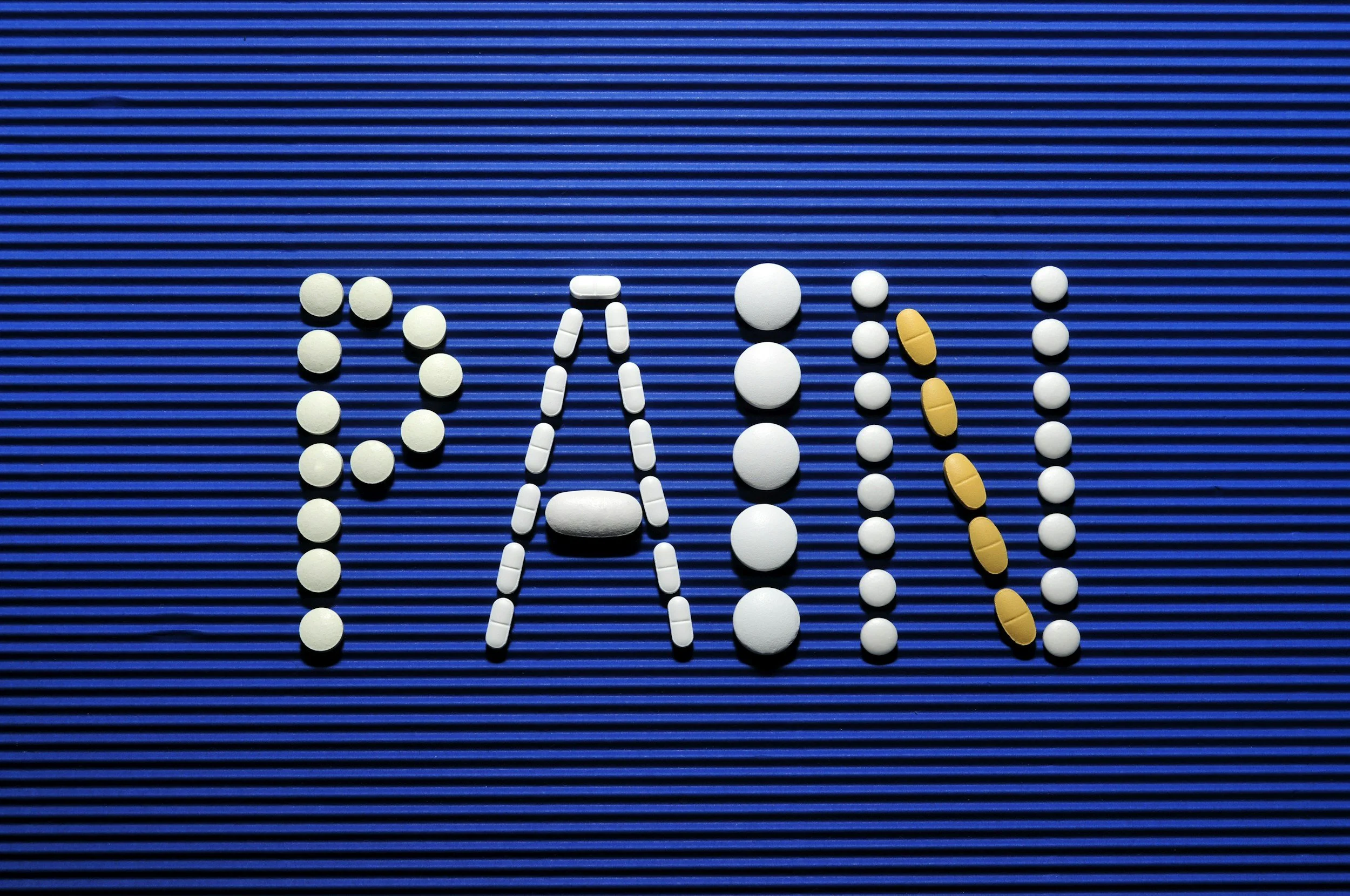
If you live with pain that has lasted for months or years, you will probably know that it affects far more than your body. It changes what you do, who you see, how you sleep and how you think about the future. Many people find that the pain itself becomes only one part of the difficulty. The tiredness, the worry, the frustration and the sense of losing the person you used to be can feel just as heavy.
This is not weakness, and it does not mean the pain is “all in your mind”. Pain is real. It is also an experience that involves the brain and nervous system, which is why mood, stress and sleep can all turn it up or down.
How pain and low mood feed each other
Pain and emotional distress tend to work as a loop. Pain makes it harder to do the things that lift your mood: seeing friends, exercising, working, enjoying a hobby. As life narrows, low mood and anxiety can build. Low mood and anxiety then make the nervous system more sensitive, and pain can feel stronger and harder to cope with.
Common parts of this loop include:
- Poor sleep, which lowers your pain threshold and your patience
- Worry about what the pain means or whether it will get worse
- Avoiding movement or activity for fear of making things worse
- Withdrawing from other people because it takes too much energy to explain
- Grief for the life, work or abilities you have lost
None of these are character flaws. They are understandable responses to living with something difficult every day.
The boom and bust pattern
Many people with long-term pain recognise a particular cycle. On a good day, you do a great deal to catch up on everything you have been putting off. The next day, or two, you pay for it with a flare of pain and exhaustion. On bad days, you do very little and feel guilty or frustrated. Over time, this swings between overdoing it and shutting down.
Pacing is a gentler alternative. It means breaking activities into smaller chunks, planning rest before you need it, and doing a steady amount on both good and bad days. It can feel slow at first, but it often reduces the flares and gives back a sense of control.
Grief, identity and the things people rarely say aloud
Persistent pain can bring a quiet kind of grief. You may miss the way you used to move, the work you used to do, or the spontaneity you used to have. You may feel guilty about letting people down, or angry that others cannot see how much you are managing. These feelings are very common, and they deserve space rather than a push to “stay positive”.
What can help
Medical care matters, and your GP or pain service should always be part of the picture. Psychological therapy sits alongside that, not instead of it. Approaches that people often find useful include:
- Acceptance and Commitment Therapy (ACT), which helps you build a meaningful life alongside pain rather than waiting for the pain to disappear
- CBT, which looks at the links between thoughts, behaviour, sleep and pain, and helps with pacing and unhelpful patterns
- Mindfulness, which can change how you relate to pain sensations and reduce the extra distress that comes from fighting them
Some small things you can try yourself:
- Keep a simple record of activity, rest and pain levels for a week, to spot patterns in your own boom and bust cycle
- Plan one small, valued activity each day, scaled to what is realistic
- Protect your sleep routine, as consistent times help more than you might expect
- Tell one trusted person what a bad day actually looks like for you
If your mood is very low, or you are having thoughts of harming yourself or ending your life, please don’t wait for a therapy appointment. We are not a crisis service. If you need urgent help, call NHS 111 (option 2), contact your GP, or call Samaritans free on 116 123, any time. In an emergency, call 999.
New, severe or unexplained pain, or pain that is changing, should always be checked by your GP first. If you are unsure, call NHS 111.
Getting support
At The Tunbridge Wells Psychologist, we work with adults who are living with long-term pain and the emotional weight that comes with it. You don’t need to wait until things feel unbearable to ask for help. If you would like to talk it through, you can get in touch through our get-started form, which takes about three minutes.