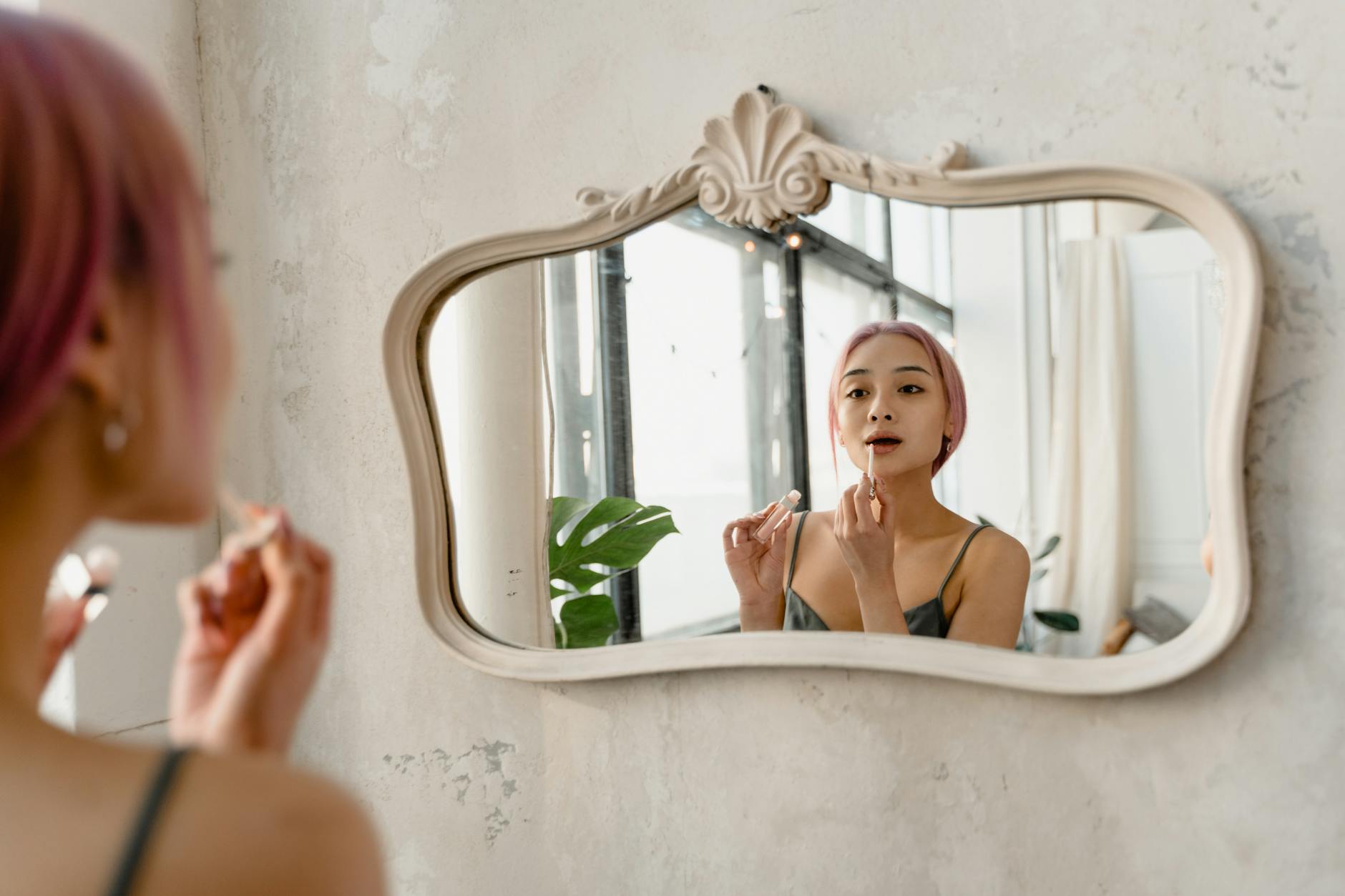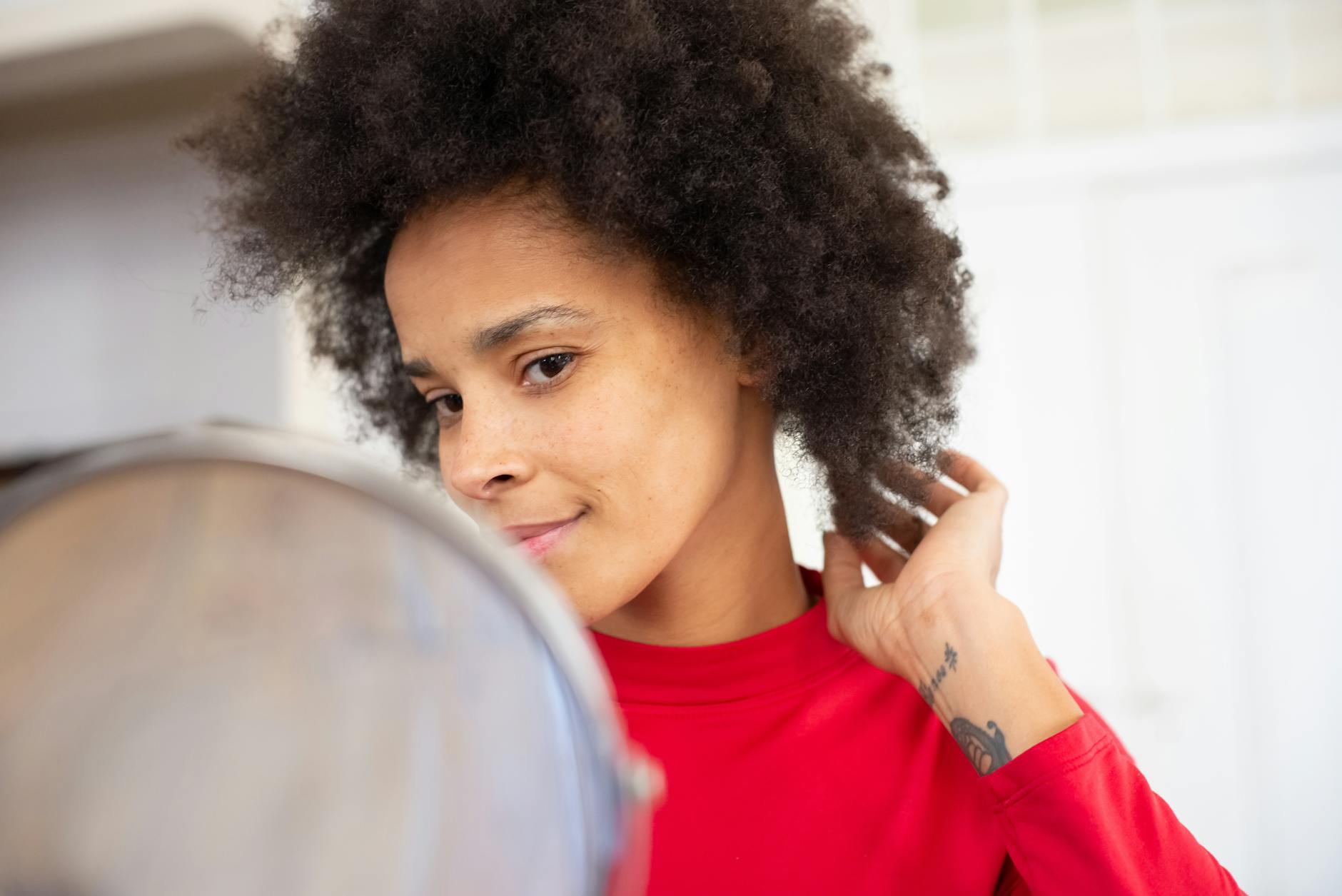
Standing in front of the mirror can become an exhausting daily ritual when you’re struggling with body dysmorphia. What others see as minor imperfections or normal human features become overwhelming sources of distress and shame. If you find yourself spending hours examining, hiding, or trying to fix perceived flaws that others barely notice, you’re not alone in this deeply personal struggle.
Body Dysmorphic Disorder (BDD) goes far beyond typical concerns about appearance. It’s a mental health condition where intrusive thoughts about perceived physical flaws consume significant time and energy, often interfering with work, relationships, and daily functioning.
Recognising the Signs of Body Dysmorphia
Body dysmorphia can focus on any part of your body, but commonly centres on skin, hair, nose, chest, or muscle size. The distressing thoughts aren’t just fleeting concerns but persistent preoccupations that feel impossible to dismiss.
You might recognise some of these patterns:
- Spending hours checking mirrors or avoiding them entirely
- Seeking constant reassurance about your appearance from others
- Comparing yourself obsessively to people in real life or on social media
- Camouflaging perceived flaws with clothing, makeup, or positioning
- Avoiding social situations or photos because of appearance concerns
- Repeatedly touching or measuring the area of concern
- Seeking cosmetic procedures or treatments that don’t provide lasting relief
The emotional impact often includes intense shame, disgust, or anxiety about how others might perceive you. Many people describe feeling like their appearance is fundamentally wrong or repulsive, despite evidence to the contrary from friends and family.
How Body Dysmorphia Affects Daily Life
The mental energy required to manage body dysmorphic thoughts can be overwhelming. Simple activities like getting dressed, leaving the house, or attending social events become complex negotiations with yourself. You might arrive late to work because mirror-checking took longer than expected, or decline invitations because the lighting in certain venues feels too revealing.
Relationships can suffer when you constantly seek reassurance or withdraw from intimacy. The condition often creates a painful paradox: desperately wanting others to notice and validate your concerns, whilst simultaneously fearing their judgement or rejection.
Many people develop elaborate routines to manage their distress, from specific grooming rituals to strategic positioning in group photos. These behaviours can provide temporary relief but typically strengthen the condition’s hold over time.
The Connection Between Social Media and Body Image
Modern social media environments can particularly challenge those struggling with body dysmorphia. The constant stream of filtered, edited, and carefully curated images creates unrealistic comparison points that can fuel obsessive thoughts about your own appearance.
The comments sections, beauty filters, and before-and-after transformation content can become consuming research material for perceived flaws. Many people find themselves screenshotting images to compare features or researching procedures they’ve seen promoted online.
Taking regular breaks from social media, unfollowing accounts that trigger comparison, and curating feeds that promote body diversity can help reduce these external pressures whilst you work on internal healing.
Effective Treatments for Body Dysmorphia
The encouraging news is that body dysmorphia responds well to professional treatment. Cognitive Behavioural Therapy (CBT) has strong research support for BDD, helping you identify and challenge the thought patterns that maintain distress about your appearance.
CBT for body dysmorphia often includes:
- Learning to recognise and interrupt checking behaviours
- Gradually reducing avoidance of mirrors, photos, or social situations
- Developing more balanced thinking about appearance and self-worth
- Building confidence in areas of life beyond physical appearance
- Processing underlying beliefs about perfection and acceptance
Some people benefit from medication alongside therapy, particularly when body dysmorphia occurs with depression or OCD. The key is finding a therapist who understands the specific challenges of appearance-related distress and won’t dismiss your concerns as vanity.
Building a Healthier Relationship with Your Body
Recovery involves learning to see your body as more than its appearance. This might mean reconnecting with what your body can do rather than just how it looks, appreciating its strength, mobility, or capacity for pleasure and comfort.
Developing self-compassion becomes crucial in this process. The harsh internal criticism that characterises body dysmorphia often stems from earlier experiences of judgement or perfectionism. Learning to speak to yourself with the kindness you’d offer a good friend creates space for healing and acceptance.
At The Tunbridge Wells Psychologist, we understand how isolating and distressing body dysmorphia can feel. Our clinic offers specialised support for appearance-related concerns, helping you develop the tools needed to break free from the mirror’s hold and reconnect with a fuller sense of yourself.
If you’re ready to challenge the thoughts and behaviours that keep you trapped in appearance-focused distress, consider booking a consultation with our experienced team. Recovery is possible, and you deserve support in reclaiming your confidence and peace of mind.