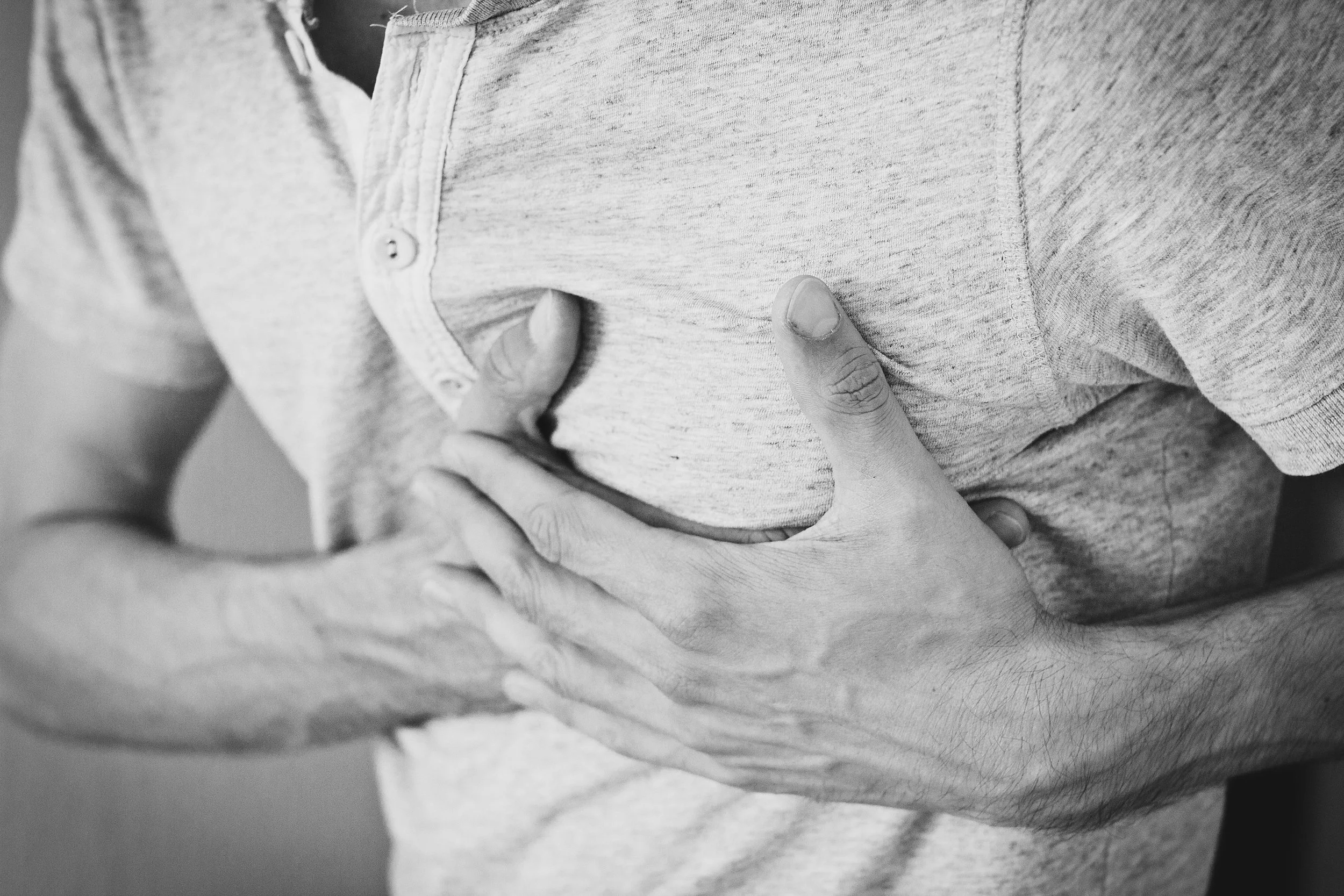
It can come on very suddenly: your heart pounds so hard you can hear it in your ears, your chest tightens, and suddenly you feel like you can’t breathe. Your mind races with thoughts of danger, even though logically you know you’re safe. If this sounds familiar, you’ve likely experienced a panic attack, one of the most misunderstood yet treatable aspects of anxiety.
Panic attacks affect millions of people, yet many people struggle in silence, unsure of what’s happening to their body or why. Understanding the mechanics behind these intense episodes can be the first step towards managing them more effectively.
What actually happens during a panic attack
When you experience a panic attack, your body activates its ancient alarm system, the fight-or-flight response. This evolutionary mechanism, designed to protect us from genuine threats like predators, sometimes misfires in modern life. Your brain perceives danger where none exists, flooding your system with stress hormones like adrenaline and cortisol.
The physical symptoms you feel are your body’s way of preparing for action. Your heart rate increases to pump blood to your muscles, your breathing quickens to take in more oxygen, and you might feel dizzy as blood flow redirects away from non-essential functions. Sweating helps cool your body for anticipated exertion, whilst nausea occurs as digestion slows down.
These sensations are frightening but not dangerous in themselves. If you’ve never had chest pain or breathlessness checked, see your GP first, and call 999 if you have sudden chest pain that spreads to your arm, jaw or back. Your body is simply responding to a false alarm, much like a smoke detector going off when you burn toast rather than when there’s a real fire.
Why panic attacks feel so terrifying
The intensity of panic attacks often leads people to believe something catastrophic is happening. Common fears include having a heart attack, losing control, or “going mad”. These thoughts create a vicious cycle: the fear of the symptoms makes the symptoms worse, which increases the fear, and so on.
Many people develop anticipatory anxiety, constantly worrying about when the next attack might occur. This hypervigilance to bodily sensations can actually trigger the very thing you’re trying to avoid. You might find yourself avoiding certain situations, places, or activities where you’ve previously experienced panic, gradually narrowing your world in an attempt to feel safe.
Recognising your personal panic pattern
Panic attacks can feel as if they come out of nowhere, but many people find there are early signs once they start looking. Learning to identify your unique pattern can help you intervene early. Some people notice subtle changes hours before an attack, such as feeling more irritable, restless, or having difficulty concentrating.
Physical warning signs might include:
- Slight changes in breathing pattern
- Muscle tension, particularly in shoulders or jaw
- Feeling warm or experiencing temperature fluctuations
- Changes in digestion or appetite
- Increased awareness of heartbeat
Emotional or mental warning signs often include:
- Racing thoughts or difficulty focusing
- Feeling “on edge” or hyperalert
- Increased worry about everyday situations
- Feeling disconnected from yourself or surroundings
Immediate coping strategies
When you feel a panic attack beginning, these techniques help some people:
Slow breathing with a longer out-breath can help. One version is 4-7-8 breathing. Breathe in through your nose for 4 counts, hold for 7 counts, then exhale through your mouth for 8 counts. This activates your body’s relaxation response and helps restore normal breathing patterns.
Grounding techniques reconnect you with the present moment. Try the 5-4-3-2-1 method: identify 5 things you can see, 4 you can touch, 3 you can hear, 2 you can smell, and 1 you can taste. This shifts your focus away from internal sensations to external reality.
Progressive muscle relaxation involves deliberately tensing and then releasing different muscle groups. Start with your toes and work upwards, holding tension for 5 seconds before releasing. This helps your body remember what relaxation feels like.
Building long-term resilience
Regular practice of stress management techniques, even when you feel well, builds resilience against future panic attacks. Daily mindfulness or meditation, even for just 10 minutes, can help you develop a different relationship with uncomfortable sensations.
Physical exercise plays a crucial role in managing panic disorder. Regular movement helps metabolise stress hormones and can reduce the frequency and intensity of panic attacks. Start gently with walking or swimming if high-intensity exercise feels overwhelming.
Sleep hygiene significantly impacts your vulnerability to panic. Aim for consistent sleep and wake times, limit caffeine after 2pm, and create a calming bedtime routine. Poor sleep makes your nervous system more reactive and prone to triggering the panic response.
Understanding what is happening in your body can make panic attacks less frightening. NICE recommends CBT for panic disorder, and at The Tunbridge Wells Psychologist we use CBT and other approaches to help people with panic attacks.
If panic attacks are affecting your daily life, remember that help is available and recovery is possible. If you would like to talk about how therapy could help, fill in our short online form.