OCD therapy in Tunbridge Wells
Understanding OCD
Obsessive-Compulsive Disorder is far more than a preference for tidiness or double-checking the front door. It’s a condition that can trap people in exhausting cycles of intrusive thoughts and ritualised behaviours, consuming hours of each day and causing significant distress.
OCD operates through two interconnected patterns. Obsessions are unwanted, intrusive thoughts, images, or urges that feel deeply disturbing, often involving themes that clash with your values and sense of self. Compulsions are the actions, rituals, or mental processes you feel driven to perform to neutralise the anxiety these thoughts create.
At a glance
- Around 750,000 people in the UK are living with OCD
- CBT with ERP recommended by NICE guidelines
- Typically 12-20 sessions of specialist treatment
- Available online and in-person in Tunbridge Wells
Understanding the OCD cycle
OCD traps people in a repeating loop. Understanding how the cycle works is the first step towards breaking free:
Obsessions
Unwanted intrusive thoughts, images, or urges that feel deeply disturbing and clash with your values. These thoughts are not a reflection of who you are.
Anxiety
The intense distress and doubt these thoughts create, driving an urgent need to "fix" or neutralise them. The anxiety can feel unbearable.
Compulsions
Rituals, checking, or mental acts performed to reduce anxiety. They provide brief relief but strengthen the cycle, making the obsessions return stronger.
Types of OCD we treat
Contamination OCD
Intense fears about germs, illness, or contamination leading to washing, cleaning, or avoidance rituals that can consume hours of each day.
Checking OCD
A compelling need to verify things repeatedly: that appliances are off, doors are locked, or that you haven't caused harm to someone.
Intrusive thoughts
Distressing thoughts about harm, violence, or taboo subjects that feel alien to who you are. These thoughts do not reflect your character or intentions.
Symmetry and ordering
A need for things to feel "just right", with significant distress when they don't. This can involve arranging, counting, or repeating actions until they feel complete.
Mental rituals
Internal processes like counting, reviewing, praying, or repeating phrases to counteract obsessions. These hidden compulsions can be just as exhausting as visible ones.
Relationship OCD
Persistent doubts about your relationship, your partner, or your own feelings, despite evidence to the contrary. The doubts feel urgent and unresolvable.
The OCD trap
What makes OCD so persistent is that the compulsions seem to work. In the short term, they reduce anxiety. But this relief reinforces the cycle, teaching your brain that the threat was real and the ritual necessary. Over time, the compulsions often need to become more elaborate or frequent to achieve the same effect.
This is why willpower alone isn't enough. Specialist treatment works by helping you break this cycle in a structured, gradual way.
How we help
OCD responds well to specialist psychological treatment. Our Clinical Psychologists in Tunbridge Wells use evidence-based approaches including:
- CBT with Exposure and Response Prevention (ERP), the gold-standard treatment for OCD
- Acceptance and Commitment Therapy (ACT), developing a different relationship with intrusive thoughts
- Compassion-Focused Therapy, addressing the shame and self-criticism that often intensify OCD
- EMDR therapy, particularly when OCD is connected to earlier difficult experiences or trauma
What to expect from therapy
Free phone consultation
A brief, no-obligation call to hear about what you're experiencing. We'll answer your questions and match you with a psychologist experienced in OCD.
Understanding your OCD
Your first sessions explore how OCD operates in your life: what triggers it, what maintains it, and what you'd like to change.
Facing fears gradually
Using ERP, you'll gradually face feared situations while learning to tolerate the discomfort without performing compulsions. This is done at a pace you're comfortable with.
Building lasting change
As the OCD cycle weakens, sessions focus on maintaining your progress, managing setbacks, and preventing relapse.
You don't have to live in the OCD trap
OCD can feel impossible to escape, but specialist treatment works. Many people find that therapy gives them back the freedom and time that OCD has taken.
Get in touchFrequently asked questions
What is OCD?
OCD (Obsessive-Compulsive Disorder) involves unwanted, intrusive thoughts (obsessions) and repetitive behaviours or mental acts (compulsions) performed to reduce the distress caused by these thoughts. OCD goes far beyond liking things neat or tidy and can be severely debilitating.
What is the best therapy for OCD?
CBT with Exposure and Response Prevention (ERP) is the most effective psychological treatment for OCD, recommended by NICE guidelines. ERP involves gradually facing feared situations while resisting the urge to perform compulsions, helping your brain learn that the feared outcome does not occur.
How long does OCD treatment take?
OCD treatment typically involves 12-20 sessions of CBT with ERP. Some people see improvement sooner, while more complex presentations may require longer treatment. Consistency with therapy homework and practice between sessions significantly improves outcomes.
Our OCD specialists
Our HCPC-registered Clinical Psychologists have specialist training in CBT with ERP and other evidence-based approaches for OCD.

Dr Nicola Meynen
Nicola is a BABCP-accredited CBT therapist with over 20 years of experience treating OCD. She uses CBT with ERP, alongside ACT and Schema Therapy.
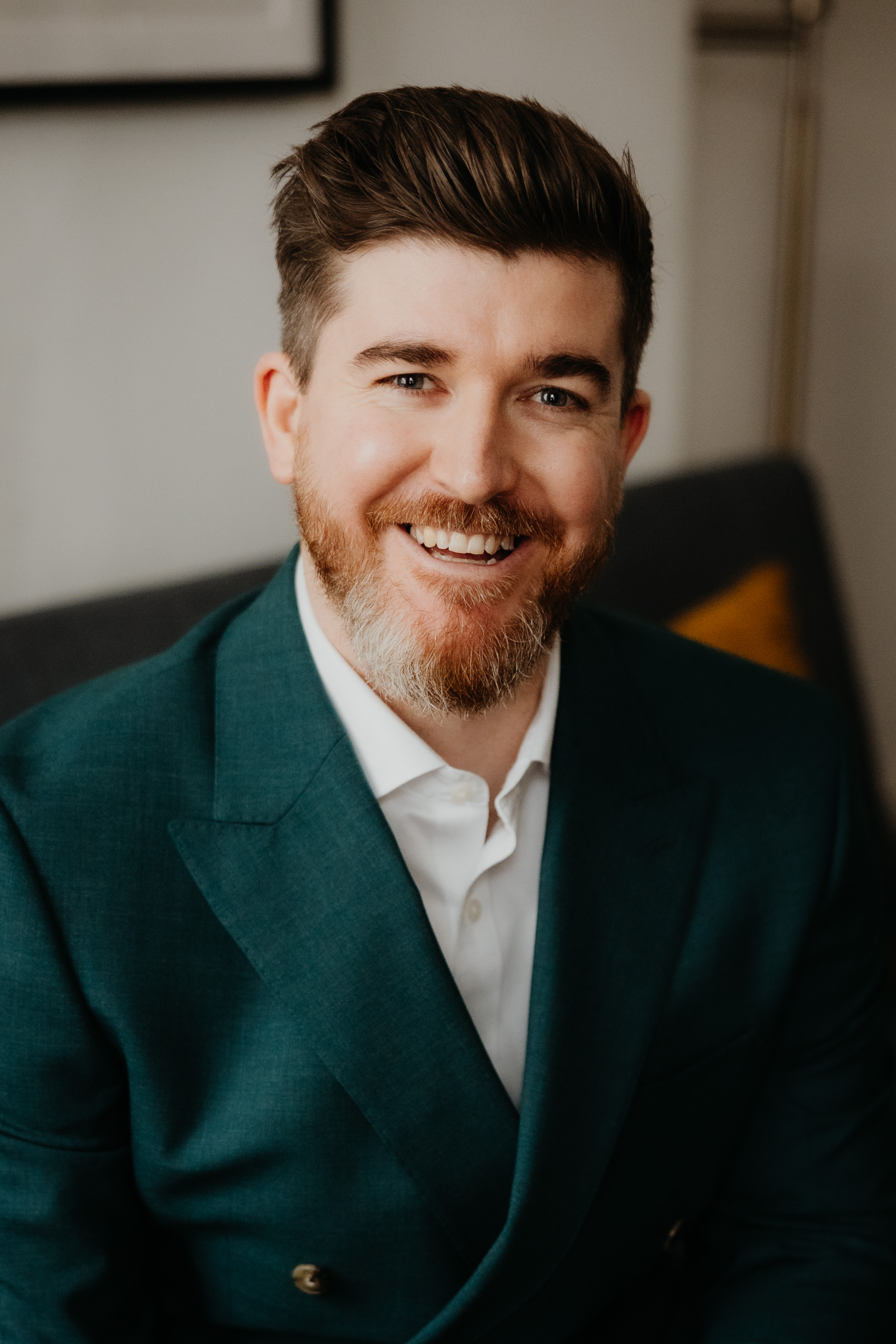
Dr Brett Hayes
Brett has specialist expertise in OCD, social anxiety, phobias, and panic. He uses CBT, EMDR, and ACT across NHS and private settings.

Dr Natalia Dylewska
Natalia is experienced in OCD, anxiety, and trauma. She is trained in EMDR with a focus on the connection between mind and body.

Dr Abbie Barnes
Abbie works with OCD, anxiety, and phobias using CBT, ACT, and CFT. She has a decade of NHS experience across mental and physical health settings.

Dr Chris Scane
Chris has over 10 years supporting adults and young people with OCD, anxiety, and trauma using CBT, ACT, and psychodynamic approaches.

Dr Maya Kuhl
Maya is a specialist in OCD, anxiety, and health-related psychological difficulties using CBT and ACT.