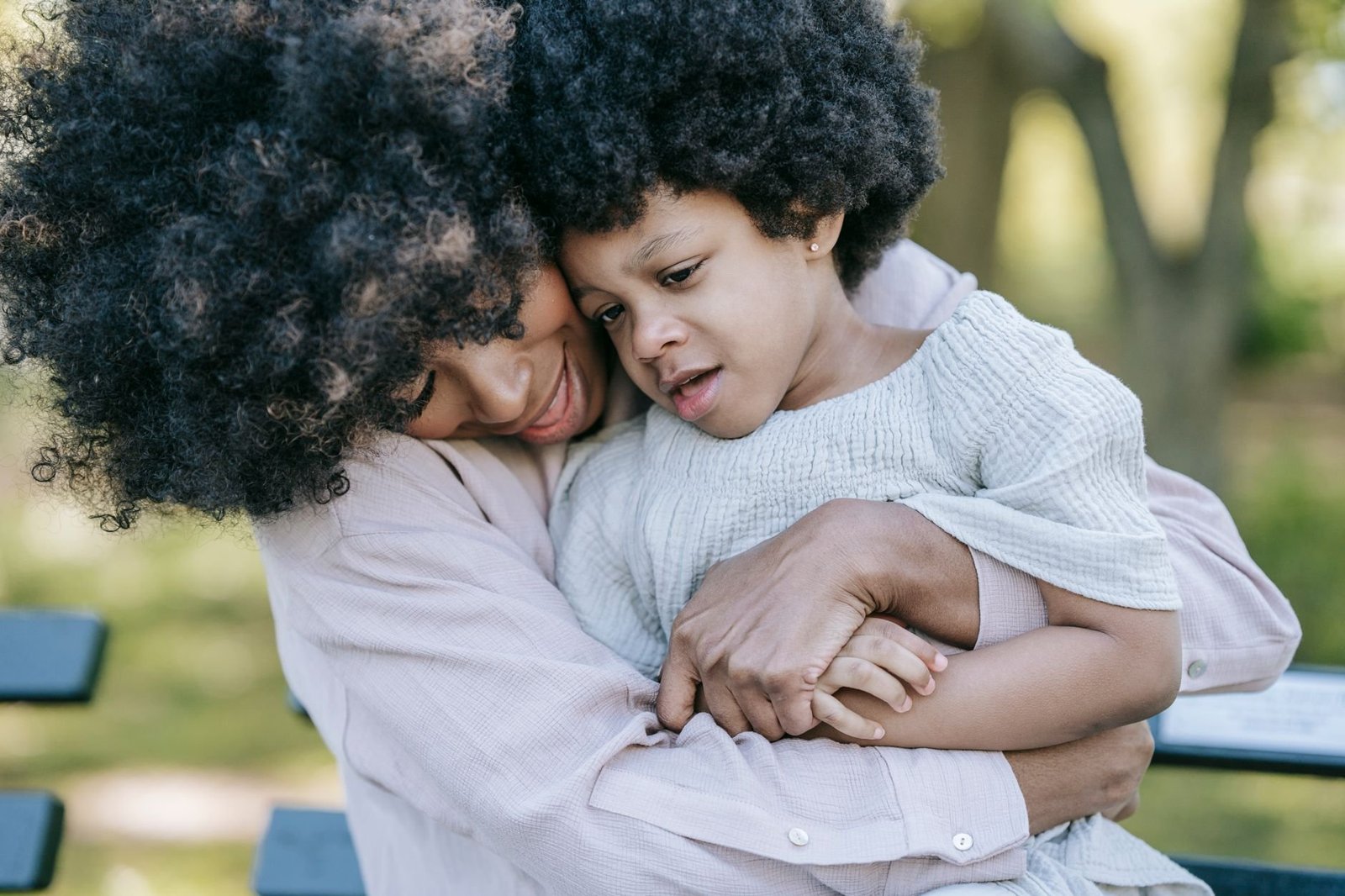
Therapy for relationship difficulties in Tunbridge Wells
Individual therapy for relationship difficulties
Our relationships with partners, family, friends and colleagues have a big effect on how we feel. When they are difficult, it can affect your mood, your sleep, your work and your confidence. Some people come to us because one relationship is causing them a lot of pain. Others notice the same things happening again and again in different relationships, and want to understand why.
Our therapy for relationship difficulties is individual therapy. Sessions are for you on your own, and they focus on your experience, your feelings and what you would like to change. We don’t offer couples therapy or joint sessions with a partner or family member. If you and your partner would like to work on your relationship together, a couples therapist is the right person to see, and your GP or Relate can help you find one.
What people come to us with
- The same arguments or patterns coming up again and again
- Finding it hard to trust people, or worrying a lot about being rejected or left
- Feeling you have to keep everyone happy, and finding it hard to say no
- Pulling away when people get close, or feeling alone even when you are with others
- Difficult relationships with parents, brothers and sisters or wider family, including estrangement
- The end of a relationship, a separation or a divorce
- Conflict with colleagues or a manager at work
- Loneliness, or finding it hard to make and keep friends
- Feeling unsure whether to stay in a relationship
You don’t need to be in a relationship now to come to therapy about relationships. Many people come because of patterns across past relationships, family or friendships.
Where relationship patterns come from
The ways we learned to relate to other people when we were growing up often shape what we expect from people as adults. If love felt unpredictable, you might watch closely for signs that someone is losing interest. If showing your feelings led to criticism, you might have learned to keep them to yourself. These ways of coping usually made sense at the time, but they can cause problems in adult relationships.
Difficult experiences later in life, such as a painful break-up, being let down by someone you trusted, or bullying, can affect relationships in a similar way. Therapy gives you space to understand these patterns without blaming yourself or anyone else, and to try out different ways of responding.
How individual therapy can help
Working one-to-one with a Clinical Psychologist can help you to:
- Understand the patterns in your relationships and what tends to set them off
- Notice and manage strong feelings such as anger, panic, jealousy or shame
- Say what you need more clearly, and listen without feeling under attack
- Set limits that feel fair to you and to other people
- Be kinder to yourself, especially if you are very self-critical
- Grieve and adjust after a relationship ends
- Make decisions about a relationship with a clearer head
You can’t change another person, but understanding your own reactions and choices often changes how a relationship feels, and what you decide to do about it.
Depending on what you bring and who you see, therapy might draw on compassion focused therapy, psychodynamic therapy, cognitive analytic therapy, CBT or ACT. If relationship difficulties are tied up with past trauma, or with how you feel about yourself, our pages on trauma and PTSD and low self-esteem may also be useful.
If you don’t feel safe
If a partner or family member is hurting you, frightening you or controlling what you do, you can call the National Domestic Abuse Helpline free on 0808 2000 247, any time. Men can also call the Men’s Advice Line on 0808 8010 327. In an emergency, call 999. Therapy can support you, but your safety comes first.
Who you will see
Several of our Clinical Psychologists have a particular interest in relationship difficulties, including Dr Abbie Barnes, Dr Catherine Lankester, Dr Ellie Cavalli, Dr Maya Kuhl, Dr Naomi Thrower, Dr Natalia Dylewska, Dr Rachel Whatmough, Dr Simran Bains and Dr Tamsin Lovell. Sessions are face-to-face in Tunbridge Wells or online.
Getting started
Fill in our short online form and we’ll match you with the right psychologist. It takes about three minutes, and we reply within 3 working days.
Frequently asked questions
Do you offer couples therapy?
No. We offer individual therapy only, so sessions are for you on your own. We don't see couples or hold joint sessions with partners or family members. If you would like couples therapy, your GP or Relate can help you find a couples therapist.
Can individual therapy help if the problem is in my relationship?
Yes. You can't change another person, but therapy can help you understand your own reactions, say what you need more clearly, set limits and make decisions about the relationship. This often changes how the relationship feels, whatever you decide to do.
Do I need to be in a relationship to come?
No. Many people come to us because of patterns across past relationships, family relationships, friendships or work, or because they feel lonely and find it hard to get close to people.